Online Course
Supervisor Supplement
Buying for an organization? Per-employee pricing and one company code for your whole team → For organizations
Supervisors are held to a higher standard, and this course is about what that actually means when something happens on your watch. It adds supervisory responsibility on top of the employee training; some of the underlying harassment material overlaps.
Most of it is about what to do once you know. Handling a complaint without making the complainant a target. Why you should never promise confidentiality. Why a supervisor who has been accused must stop making decisions about the accuser. How retaliation now reaches past the complainant to their family and close friends. And why, as an agent of your organization, what you know your organization knows. It closes with two frameworks it teaches by name — the 5 Rs (Recognize, Respond, Record, Report, No Retaliation) and the 10 Rules of Respect.
Behind that sits the law it is built on: why a supervisor conditioning a job benefit on sex is the most severe form of harassment there is, and why relationships with subordinates are the ones that end up in court — worked through the Supreme Court’s first sexual harassment case, Meritor Savings Bank v. Vinson, where the employer’s defense was that the relationship was “voluntary” and the Court held that voluntary is not the question. Whether the conduct was welcome is — and the person who decides is the person it happened to.
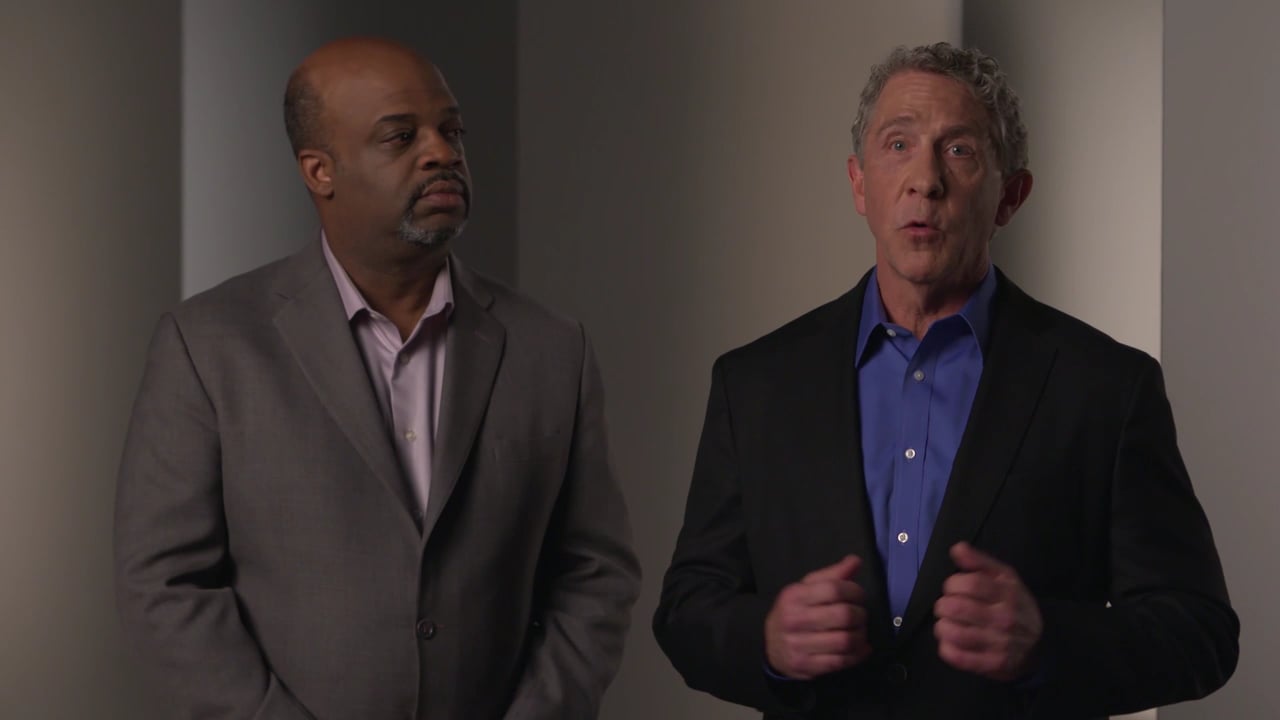
Who it’s for: anyone who supervises people, after they have taken the employee course. Presented on camera by employment lawyers at Ogletree Deakins.
What’s inside
1 section · 22 items
Course content
- Chapter 1 — Leading a Respectful Workplace · video
- Chapter 1 Quiz · knowledge check
- Chapter 2 — Power Imbalances and Unwelcome Workplace Relationships · video
- Chapter 2 Quiz · knowledge check
- Chapter 3 — Answer to Chapter 2 Quiz: Distinguishing Hostile Environment and Quid Pro Quo Harassment · video
- Chapter 3 Quiz · knowledge check
- Chapter 4 — Answer to Chapter 3 Quiz: Responding to Inappropriate Conduct at Work Events · video
- Chapter 4 Quiz · knowledge check
- Chapter 5 — Answer to Chapter 4 Quiz: Addressing Sexual Jokes by a Supervisor · video
- Chapter 5 Quiz · knowledge check
- Chapter 6 — Answer to Chapter 5 Quiz: Responding to Sexual Innuendo and Unwelcome Touching · video
- Chapter 6 Quiz · knowledge check
- Chapter 7 — Answer to Chapter 6 Quiz: Using Respectful Language About Transgender People · video
- Chapter 7 Quiz · knowledge check
- Chapter 8 — Answer to Chapter 7 Quiz: Understanding LGBTQ Terminology · video
- Chapter 8 Quiz · knowledge check
- Chapter 9 — Treating Complainants Fairly and Preventing Retaliation · video
- Chapter 9 Quiz · knowledge check
- Chapter 10 — Answer to Chapter 9 Quiz: Recognizing Retaliation Against Family and Close Friends · video
- Chapter 10 Quiz · knowledge check
- Chapter 11 — The Five Rs and Ten Rules of Respect for Supervisors · video
- Thank You · lesson
Common questions
How is this different from the employee course?
It is the supplement, not a repeat. It covers what a supervisor has to do once something happens on their watch, on the basis that supervisors are held to a higher standard. It assumes you have taken the employee training.
What does it teach about handling a complaint?
The course teaches that you treat the person who complained the same as everyone else, and warn colleagues not to treat them differently. It says never to promise confidentiality. It teaches that a supervisor who has been accused must stop making decisions involving the accuser; that retaliation now reaches past the complainant to their family and close friends; and that, as an agent of your organization, what you know your organization knows.
What are the 5 Rs and the 10 Rules of Respect?
Two frameworks the course teaches by name and closes on. The 5 Rs are Recognize, Respond, Record, Report and No Retaliation. The 10 Rules of Respect are the course's own list of supervisor conduct rules, one of which is not promising confidentiality.
Which of the nine courses does my organisation need?
Everyone takes the same starting point: Sexual Harassment (Employee). Anyone who supervises people adds the Supervisor Supplement on top of it — supervisors are held to a higher standard and that course is about what to do once you know. This is the supervisor half — take it after the employee course, not instead of it. You do not have to work this out per person: when your people join with your company code they give their work state and say whether they supervise anyone, and the rules assign what each of them owes from that.
Can I buy this for my whole team, and do I assign it person by person?
You can buy it for a team: set the number of licenses on this page before adding to cart. And no, you do not assign it person by person — that is not how the platform works. Your people join with your company code, give their work state and city and say whether they supervise anyone, and the training rules decide what each of them owes from that — which is how a multi-state employer gets the right course to the right person without anyone maintaining a list. You hand out one code instead of picking names off a list. A license runs for 12 months from the day it is activated, not from the day you buy it.
Who is it for, and how is it structured?
Anyone who supervises people. 11 video chapters with 10 knowledge checks, presented on camera by employment lawyers at Ogletree Deakins. Progress saves as you go and a certificate is issued on completion.